Religius: Crafting Elegance for Modern Design
Finding a typeface that truly captures a specific mood can be a challenge. Many fonts aim for elegance but end up feeling cold or overly formal. Others try for a personal touch and become difficult to read. Religius is a premium script font that strikes a careful balance. It’s a magical script font, meticulously crafted with a touch of elegance that feels both personal and polished. This isn't just another decorative typeface; it's a versatile design asset built for creators who need to make a genuine connection with their audience.
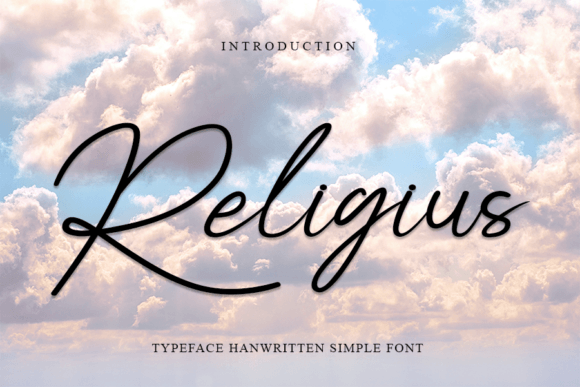
At its core, Religius is a calligraphy script with a distinct personality. The letterforms feature graceful, flowing connections and subtle, natural variations in stroke weight. This gives it an authentic, handwritten font quality that feels human, not generated by a machine. Its overall appeal lies in this duality: it carries the sophistication of traditional calligraphy while embracing the relaxed rhythm of modern handwritten styles. The result is a typeface that feels intimate, luxurious, and approachable all at once.
Where Religius Truly Shines: Practical Applications
The strength of Religius lies in its adaptability. It’s a creative font designed to elevate a wide array of projects, moving seamlessly from digital screens to printed materials. Understanding where it works best allows you to leverage its full potential.
Digital Presence and Brand Identity
For web design and digital branding, this script font is a powerful tool. Use it for hero text on a homepage to create an immediate emotional impact, or for standout call-to-action buttons that feel inviting rather than aggressive. It’s exceptionally effective for logo design, especially for brands in the beauty, wellness, fashion, or artisanal food sectors. The font’s elegance helps build a brand identity that feels premium and trustworthy. As fonts for Instagram and other social platforms go, Religius is a standout choice. It transforms standard social media graphics, making quotes, announcements, and promotional posts feel more curated and professional. This consistency across platforms strengthens brand recognition and audience engagement.
Print, Packaging, and Editorial Projects
When it comes to physical materials, Religius excels. In packaging design, it can add a layer of artisanal quality to product labels, gift tags, and boxes, suggesting care and craftsmanship. For editorial design, consider it for chapter titles, pull quotes, or special section headers in magazines, lookbooks, or coffee table books. It draws the eye without overwhelming the body text of a serif font or sans serif font. Small business owners will find it invaluable for creating cohesive stationery—think business cards, thank-you notes, and invoice headers that reinforce a polished brand image.
Personal and DIY Creativity
Beyond commercial use, Religius is a fantastic resource for personal projects. It’s ideal for DIY projects like custom wedding invitations, holiday cards, or personalized gifts. The font’s inherent elegance adds a special touch that makes any creation feel like a true piece of art. Crafters and hobbyists can use it to add sophisticated lettering to planners, journals, and scrapbook pages.
Integrating Religius: A Practical Guide for Designers and Creators
Simply having a beautiful premium font isn’t enough. Effective use requires thoughtful implementation. Here’s how to approach Religius to ensure it enhances, rather than hinders, your work.
Evaluating Project Fit: Before choosing Religius, consider the project’s core message. Is the goal to convey luxury, intimacy, or artistry? If so, it’s likely a strong fit. For projects requiring strict, utilitarian clarity—like a technical manual or a minimalist tech startup’s branding—it might be better as an accent rather than the primary typeface. Always match the font’s personality to the project’s voice.
Mastering Readability and Hierarchy: As with any script font, readability is paramount. Religius is designed for short, impactful text, not for body copy. Use it for headlines, subheadings, logos, and short phrases. Pair it with a clean, highly legible serif font or sans serif font for longer paragraphs. This creates a clear visual hierarchy, where Religius provides the emotional hook and the secondary typeface delivers the information efficiently.
Exploring Font Pairings: A great font pairing can make your design sing. For a classic, elegant combination, try pairing Religius with a refined old-style serif like Garamond or a transitional serif like Baskerville. For a more contemporary, clean contrast, a geometric or humanist sans serif font such as Montserrat or Lato works beautifully. The key is to ensure strong contrast in style and weight so the two typefaces complement rather than compete.
Leveraging Included Styles: A quality commercial font like Religius often comes with more than just the basic letters. Check for stylistic alternates, ligatures, and swashes. These additional glyphs are invaluable for customizing your lettering, adding flourishes to key words, or creating unique logo lockups. Experimenting with these features allows you to tailor the font specifically to your project, enhancing its uniqueness.
Understanding Commercial Licensing: For entrepreneurs, marketers, and anyone using the font for business purposes, reviewing the license is a critical step. Ensure the commercial font license covers your intended use—whether for a client’s logo, product packaging, or digital advertisements. Proper licensing protects your work and respects the type designer’s craft.
Ultimately, Religius is more than just a set of characters; it’s a design tool for storytelling. Its thoughtful blend of elegance and authenticity makes it a valuable addition to any creative professional’s toolkit, capable of turning a standard project into something that feels personal, polished, and truly memorable. By applying it strategically, you can harness its magic to connect with your audience on a deeper level.